

A Complete Guide to Short-Term Business Loans
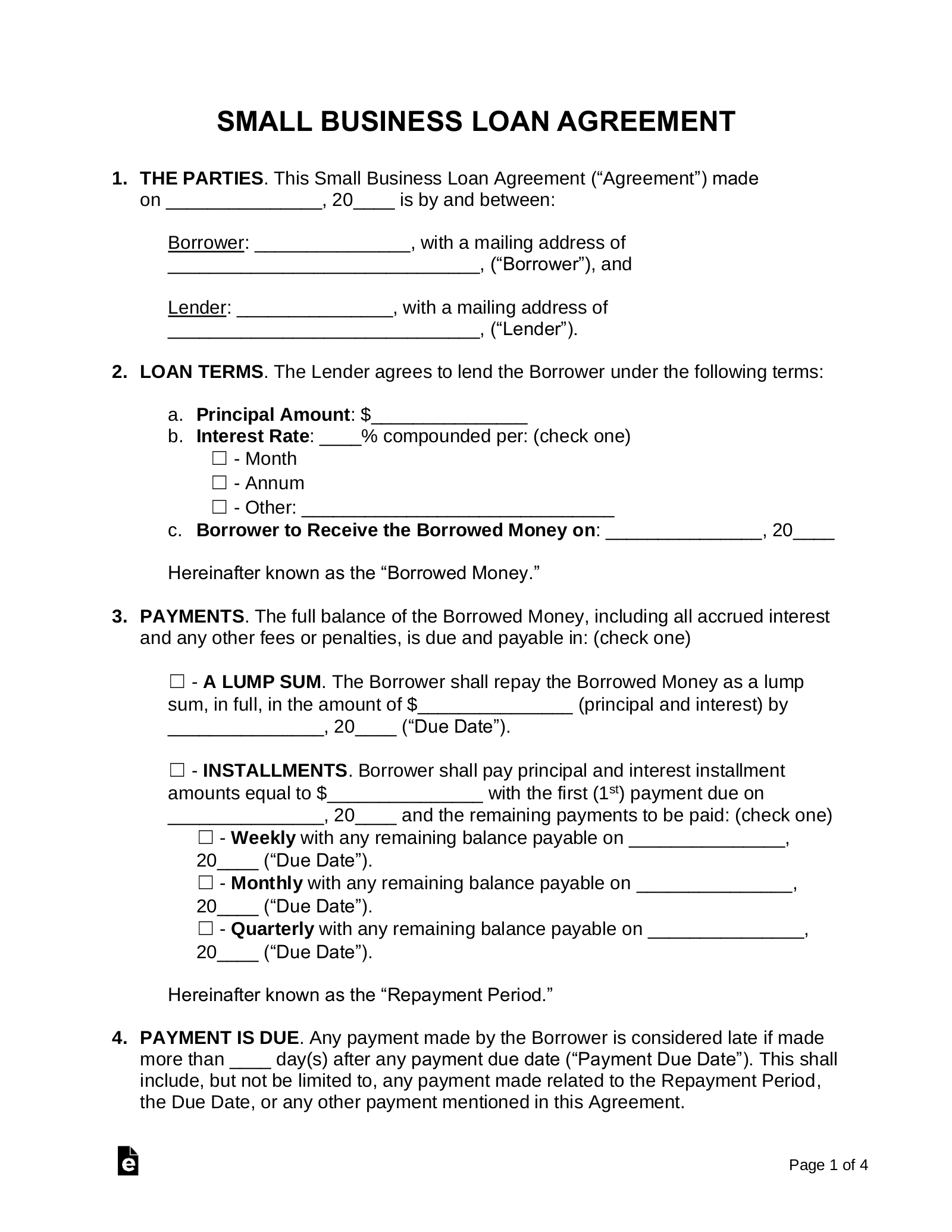
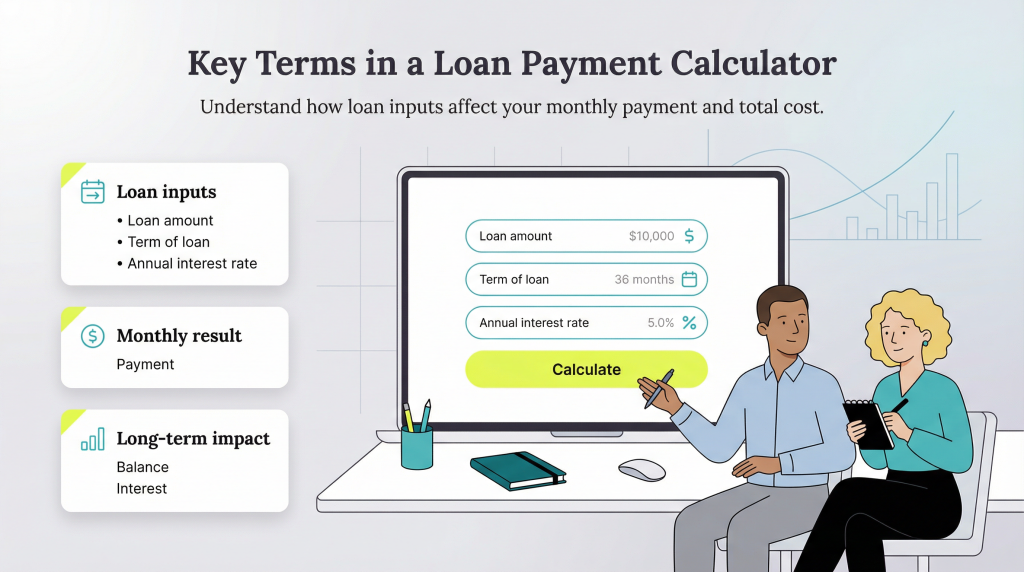
Many businesses need access to capital quickly. For example, a company may need to purchase inventory, repair equipment, or cover payroll before revenue arrives. In these situations, short-term business loans can provide fast funding to bridge temporary financial gaps.
Unlike long-term loans that may last several years, short-term financing is designed to be repaid within a shorter period. Therefore, these loans often help businesses address immediate needs while maintaining operational momentum.
However, before choosing this type of funding, business owners should understand how short-term loans work and when they make the most sense.
What Is a Short-Term Business Loan?
A short-term business loan provides a lump sum of capital that businesses repay over a relatively short repayment period.
Most short-term loans are repaid within:
- 3 months to 24 months
Because the repayment window is shorter, these loans often feature faster approval timelines and simplified application requirements.
Businesses commonly use short-term loans for operational needs that generate revenue quickly.
Common Uses for Short-Term Business Loans
Short-term loans work best when the funding supports expenses that produce quick financial returns.
For example, businesses often use short-term financing to:
- Purchase inventory before busy seasons
- Cover payroll during temporary cash flow gaps
- Repair or replace equipment
- Launch marketing campaigns
- Manage seasonal fluctuations
Because these investments may generate revenue soon, businesses can repay the loan within the shorter timeframe.
Advantages of Short-Term Business Loans
Short-term loans offer several benefits for businesses that need quick access to capital.
Faster Approval
Because underwriting often focuses on recent revenue activity, approval timelines can be faster than traditional bank loans.
Flexible Use of Funds
Businesses may use funds for various operational expenses.
Shorter Commitment
Since repayment periods are shorter, businesses may eliminate debt more quickly.
Accessible for Growing Businesses
Companies that may not qualify for traditional loans may still qualify for short-term financing.
Potential Drawbacks
Although short-term loans provide speed and flexibility, businesses should evaluate the costs carefully.
Potential considerations include:
- Higher interest rates compared to long-term loans
- Frequent repayment schedules
- Shorter repayment timelines
Because these loans require faster repayment, businesses must ensure that cash flow can support the payments.
How Lenders Evaluate Short-Term Loan Applications
When reviewing applications, lenders typically evaluate several financial factors.
These may include:
- Monthly revenue deposits
- Time in business
- Credit profile
- Cash flow consistency
- Existing debt obligations
Because lenders want to confirm repayment capacity, consistent revenue often strengthens approval chances.
Short-Term Loans vs Long-Term Loans
Short-term loans differ from traditional long-term business loans in several important ways.
| Feature | Short-Term Loan | Long-Term Loan |
|---|---|---|
| Repayment Period | Months to 2 years | Several years |
| Approval Speed | Faster | Slower |
| Interest Rates | Often higher | Usually lower |
| Best Use | Immediate needs | Large investments |
Because each option serves different purposes, businesses should choose the structure that matches their financial goals.
When Short-Term Loans Make Sense
Short-term loans often work well when:
- Capital is needed quickly
- Expenses will generate revenue soon
- Businesses face temporary cash flow gaps
- Seasonal opportunities require quick investment
In these situations, financing can help businesses capture opportunities without delaying operations.
When Businesses Should Be Cautious
However, short-term financing may not be ideal when:
- Long-term investments are planned
- Cash flow is uncertain
- Profit margins are extremely thin
- Multiple loans already exist
Before accepting funding, businesses should evaluate whether the repayment schedule fits comfortably within projected revenue.
How Newport Capital Ventures Helps Businesses Evaluate Funding
Newport Capital Ventures works with businesses to evaluate financing solutions based on their operational needs and financial goals.
During the evaluation process, businesses may review:
- Revenue patterns
- Cash flow stability
- Funding timelines
- Long-term business plans
By understanding these factors, businesses can choose financing solutions that support sustainable growth.
Final Thought
Short-term business loans provide flexible financing for companies that need quick access to capital. Because these loans focus on speed and accessibility, they often help businesses manage temporary financial gaps or seize time-sensitive opportunities.
When used responsibly, short-term loans can help businesses:
- Maintain operational stability
- Invest in revenue-generating opportunities
- Navigate seasonal fluctuations
- Strengthen cash flow management
Ultimately, choosing the right financing structure ensures that funding supports business growth rather than creating unnecessary financial strain.