

Business Funding and Cash Flow Cycles: Weekly vs Monthly
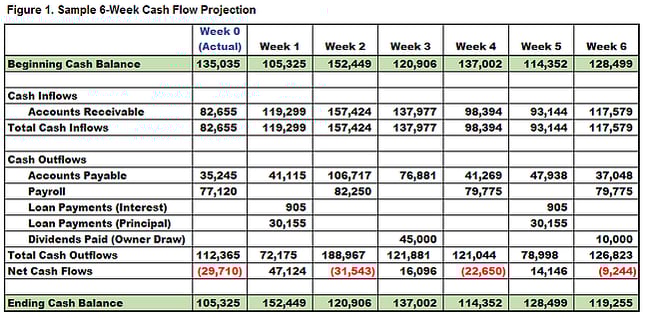

Cash flow is the lifeblood of every business. However, not all businesses operate on the same financial rhythm. Some companies generate revenue daily or weekly, while others receive payments monthly or even quarterly.
Because of these differences, the structure of business funding must match the company’s cash flow cycle. If repayment schedules do not align with revenue timing, even profitable businesses can experience unnecessary financial pressure.
Therefore, understanding the difference between weekly and monthly cash flow cycles can help business owners choose the most suitable funding option.
Understanding Cash Flow Cycles
A cash flow cycle refers to the timing of money entering and leaving a business. In other words, it shows how often revenue arrives compared to when expenses must be paid.
Most businesses fall into one of two primary patterns:
- Weekly or daily revenue cycles
- Monthly revenue cycles
Because funding repayments often follow similar schedules, businesses should carefully evaluate which structure fits their operations.
Businesses With Weekly Cash Flow Cycles
Some businesses generate revenue continuously throughout the week. For example, retail stores, restaurants, and service providers often receive payments daily.
These companies typically rely on:
- Credit card transactions
- Point-of-sale systems
- Frequent customer payments
As a result, their bank deposits occur regularly throughout the week.
Funding That Fits Weekly Cash Flow
Businesses with steady weekly deposits may prefer funding structures that align with that rhythm.
Common options include:
- Merchant Cash Advances
- Revenue-based financing
- Short-term loans with weekly payments
Because revenue arrives frequently, smaller recurring payments may be easier to manage.
Businesses With Monthly Cash Flow Cycles
Other businesses operate on longer billing cycles. For example, consultants, contractors, and B2B service companies often invoice clients and receive payment weeks later.
These companies commonly experience:
- Net-30 or net-60 payment terms
- Large invoices paid at once
- Less frequent deposits
Consequently, revenue tends to arrive in larger amounts but less often.
Funding That Fits Monthly Cash Flow
For businesses with monthly or project-based revenue, repayment structures should reflect that pattern.
Common funding options include:
- Traditional term loans
- Business lines of credit
- Invoice financing
Because these funding structures often involve monthly payments, they align better with longer billing cycles.
Why Repayment Timing Matters
Choosing the wrong repayment structure can create unnecessary cash flow stress.
For example, a business with monthly invoices may struggle with daily repayment withdrawals. Conversely, a company with daily sales may find monthly lump-sum payments difficult to manage.
Therefore, aligning repayment schedules with revenue timing helps businesses maintain financial stability.
Factors to Consider When Choosing Funding
Before selecting a funding option, businesses should evaluate several financial factors.
These include:
- Frequency of revenue deposits
- Size of typical payments
- Seasonal fluctuations
- Existing financial obligations
- Profit margins
By analyzing these factors, business owners can identify funding solutions that complement their operational cycle.
The Role of Cash Flow Forecasting
In addition to evaluating current revenue patterns, businesses should also forecast future cash flow.
Cash flow forecasting helps companies:
- Predict revenue timing
- Plan for upcoming expenses
- Evaluate repayment capacity
- Identify potential shortfalls
Because funding commitments extend into the future, forecasting helps ensure repayment remains manageable.
How Newport Capital Ventures Evaluates Cash Flow Cycles
Newport Capital Ventures works with businesses to analyze cash flow patterns before recommending funding options.
The evaluation typically includes reviewing:
- Deposit frequency
- Revenue consistency
- Operational expenses
- Growth plans
By understanding the business’s cash flow cycle, funding structures can be tailored to match its financial rhythm.
Final Thought
Every business operates on a unique cash flow cycle. Some companies receive revenue daily or weekly, while others rely on monthly billing and project payments.
Because of these differences, funding repayment structures should align with how money flows through the business.
When businesses choose financing that matches their cash flow cycle, they can:
- Maintain healthier cash flow
- Reduce financial stress
- Improve repayment consistency
- Support long-term growth
Ultimately, the right funding solution is one that works with the business’s financial rhythm—not against it.