

Funding for E-commerce: Financing Growth in Online Businesses
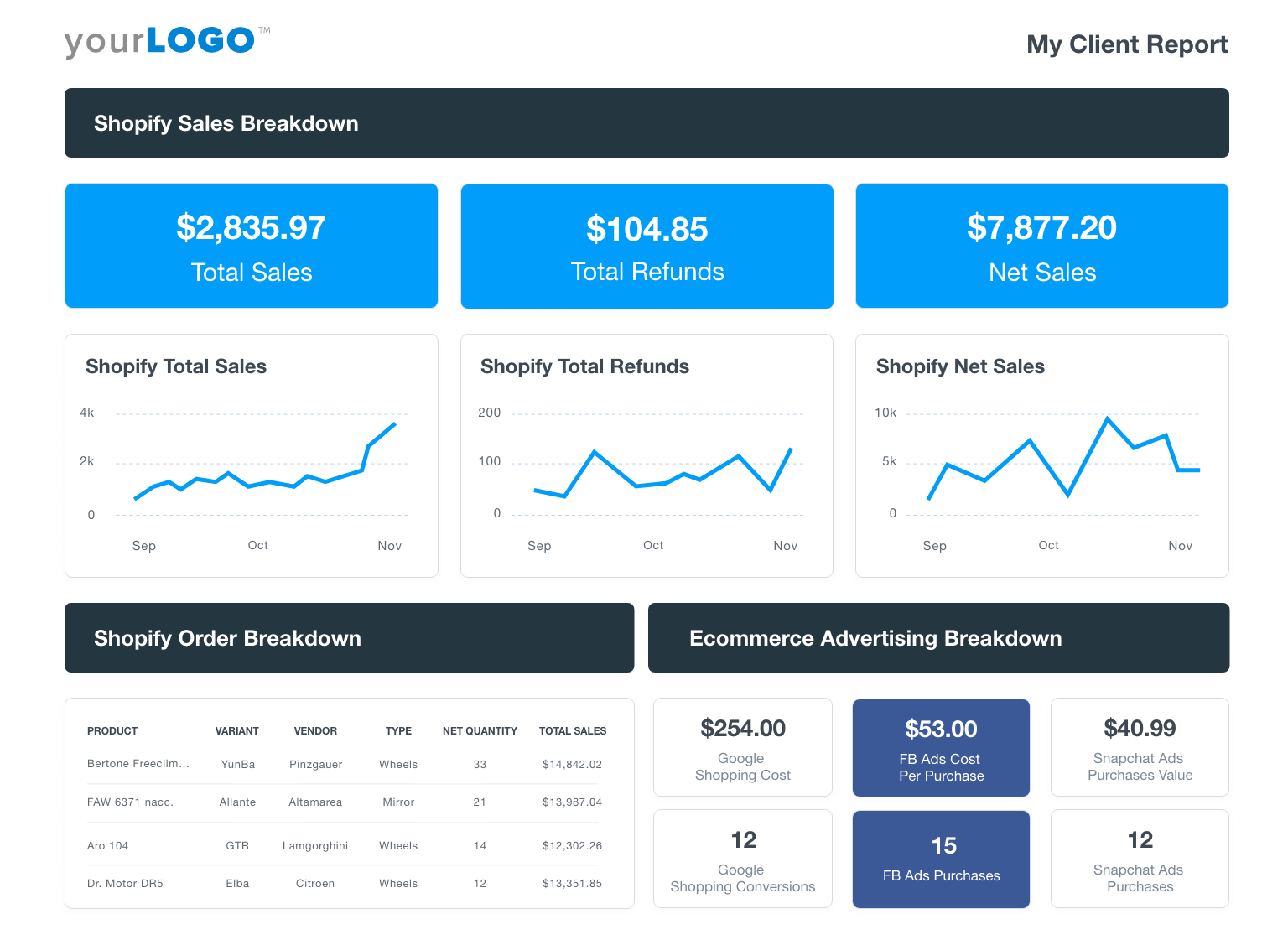

E-commerce businesses often grow quickly. However, rapid growth can create new financial demands. For example, online stores frequently need capital for inventory, marketing, fulfillment, and technology upgrades before revenue fully catches up.
Because of this, many online retailers explore funding options for e-commerce businesses. With the right financing structure, companies can scale operations while maintaining healthy cash flow.
Therefore, understanding the available funding solutions can help e-commerce entrepreneurs support growth without overextending their business.
Why E-commerce Businesses Seek Funding
Online businesses often require funding to manage the gap between investment and sales revenue. For instance, advertising campaigns must run before orders are placed, and inventory must be purchased before products can be sold.
Common reasons e-commerce businesses pursue funding include:
- Purchasing inventory in bulk
- Scaling paid advertising campaigns
- Expanding product lines
- Improving fulfillment and logistics
- Hiring staff or contractors
- Upgrading technology platforms
As a result, financing often becomes a key tool for sustaining rapid growth.
Common Funding Options for E-commerce
Several financing options can help online businesses support expansion and manage working capital needs.
Revenue-Based Financing
Revenue-based financing works particularly well for e-commerce companies because repayment adjusts with sales.
With this structure:
- Businesses receive upfront capital
- Repayment occurs as a percentage of revenue
- Payments rise or fall with sales performance
Consequently, companies can scale marketing or inventory while maintaining flexible repayment.
Merchant Cash Advances (MCA)
E-commerce businesses with consistent deposits from payment processors may qualify for a Merchant Cash Advance.
This option provides:
- Fast access to funding
- Minimal documentation requirements
- Repayment through scheduled withdrawals
Because approval often depends on recent revenue, MCAs can provide quick working capital for growing online stores.
Business Lines of Credit
A business line of credit offers flexible access to capital when needed.
Many e-commerce companies use lines of credit for:
- Seasonal inventory purchases
- Short-term marketing campaigns
- Unexpected operational expenses
In addition, businesses only pay interest on the amount drawn, which makes this option particularly flexible.
Inventory Financing
Inventory financing allows businesses to purchase products without paying the entire cost upfront.
This option helps online retailers:
- Secure bulk inventory orders
- Maintain product availability
- Manage seasonal demand
Because the inventory itself may serve as collateral, approval may be easier than unsecured loans.
What Lenders Evaluate for E-commerce Funding
When evaluating an e-commerce funding application, lenders typically review several key factors.
These include:
- Monthly sales revenue
- Payment processor deposits
- Time in business
- Credit profile
- Cash flow stability
Additionally, lenders may review marketing performance, sales trends, and customer acquisition metrics.
Because e-commerce businesses often rely heavily on online advertising, stable revenue patterns improve approval chances.
When E-commerce Funding Makes Sense
Funding can be particularly useful when:
- Advertising campaigns demonstrate strong return on investment
- Inventory demand exceeds available cash reserves
- Seasonal sales require larger inventory purchases
- New product launches require upfront capital
In these situations, financing can accelerate growth and prevent missed opportunities.
When to Use Financing Carefully
However, e-commerce businesses should approach funding carefully if:
- Sales are inconsistent or declining
- Profit margins are extremely thin
- Advertising campaigns are untested
- Multiple loans or advances already exist
Before accepting financing, businesses should ensure that projected revenue can comfortably support repayment.
How Newport Capital Ventures Supports E-commerce Businesses
Newport Capital Ventures works with online businesses to evaluate financing solutions that match their revenue patterns and growth goals.
The evaluation process typically includes reviewing:
- Sales performance
- Deposit consistency
- Inventory needs
- Marketing strategy
- Overall financial health
By analyzing these factors, businesses can structure funding in a way that supports expansion without creating unnecessary financial strain.
Final Thought
E-commerce businesses move quickly, and growth opportunities often appear suddenly. Because of this, access to capital can help online retailers scale effectively while maintaining stable operations.
E-commerce funding can help businesses:
- Purchase inventory
- Scale marketing campaigns
- Improve logistics and fulfillment
- Launch new products
When used strategically, financing becomes a tool that allows online businesses to grow while maintaining financial flexibility.