

Business Funding for Taxes: Short-Term Solutions

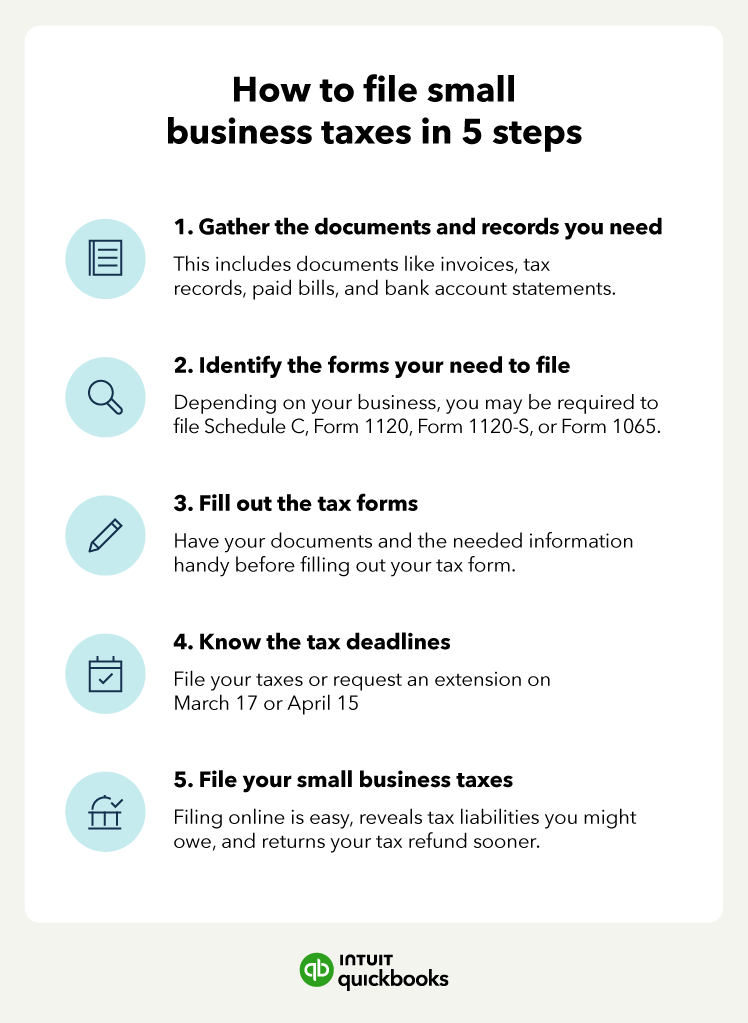
Tax obligations can create sudden financial pressure for businesses. Even profitable companies sometimes face a temporary gap between tax deadlines and available cash flow. Because tax payments often arrive in large lump sums, businesses occasionally need short-term capital to stay compliant.
Fortunately, several short-term business funding solutions can help companies manage tax payments without disrupting daily operations. However, business owners should choose financing carefully so repayment remains manageable.
Therefore, understanding the available options can help businesses handle tax obligations while maintaining financial stability.
Why Businesses Sometimes Need Funding for Taxes
Businesses may need short-term financing for tax payments for several reasons. For example, seasonal revenue fluctuations can delay incoming cash while tax deadlines remain fixed.
Common situations include:
- Large quarterly estimated tax payments
- Unexpected tax adjustments or audits
- Delayed client payments
- Rapid business growth creating higher tax liability
- Temporary cash flow disruptions
Because tax agencies impose penalties for late payments, many businesses prefer securing short-term funding rather than missing a deadline.
Common Short-Term Funding Options for Tax Payments
Several financing solutions can help businesses cover tax obligations while protecting operational cash flow.
Working Capital Loans
Working capital loans provide flexible funding that businesses can use for operational expenses, including tax payments.
These loans typically offer:
- Fast approval timelines
- Flexible use of funds
- Short repayment terms
As a result, businesses often use working capital loans to manage temporary cash flow gaps.
Business Lines of Credit
A business line of credit allows companies to draw funds when needed. Because businesses only pay interest on the amount used, this option offers financial flexibility.
Businesses often use lines of credit to:
- Cover tax payments temporarily
- Manage seasonal fluctuations
- Handle unexpected financial obligations
Additionally, once approved, a credit line remains available for future financial needs.
Merchant Cash Advances (MCA)
Some businesses require funding quickly to meet tax deadlines. In those cases, a Merchant Cash Advance may provide rapid access to capital.
With this structure:
- Businesses receive a lump sum of funding
- Repayment occurs through scheduled withdrawals
- Approval often focuses on revenue deposits
Because approvals can occur quickly, MCAs sometimes help businesses address urgent tax obligations.
Short-Term Business Loans
Short-term loans provide a fixed funding amount with structured repayment over several months.
This option can help businesses:
- Pay large tax obligations immediately
- Spread repayment across manageable installments
- Avoid penalties from missed tax deadlines
However, businesses should ensure that repayment fits comfortably within future cash flow projections.
Important Considerations Before Funding Taxes
Although funding can help businesses meet tax obligations, owners should evaluate several financial factors first.
For example, businesses should consider:
- Total repayment cost
- Payment schedule and frequency
- Cash flow projections for upcoming months
- Existing financial obligations
By reviewing these factors carefully, companies can choose funding that solves the short-term need without creating long-term financial pressure.
Preventing Future Tax Cash Flow Gaps
While financing may help in urgent situations, businesses can reduce future stress by planning ahead for tax obligations.
Effective strategies include:
- Setting aside monthly tax reserves
- Forecasting tax liabilities during the year
- Monitoring revenue growth and tax exposure
- Working with an accountant to estimate quarterly payments
Because proactive planning improves financial stability, many businesses adopt these practices after experiencing a tax funding challenge.
How Newport Capital Ventures Helps Businesses Manage Tax Funding Needs
Newport Capital Ventures works with businesses to identify financing solutions that match their short-term cash flow needs.
During the evaluation process, businesses may review:
- Revenue patterns
- Deposit consistency
- Current financial obligations
- Funding timelines
By analyzing these factors, businesses can select financing options that help meet tax obligations while protecting long-term financial stability.
Final Thought
Tax deadlines can create sudden financial pressure, especially when large payments are due at once. Fortunately, short-term funding solutions can help businesses manage these obligations without interrupting daily operations.
Business funding for taxes can help companies:
- Avoid penalties and late fees
- Maintain healthy cash flow
- Spread tax payments across manageable installments
- Protect operational stability
However, businesses should use these financing options strategically and plan ahead to reduce future tax-related cash flow challenges.