

How to Choose a Payment Schedule You Can Handle
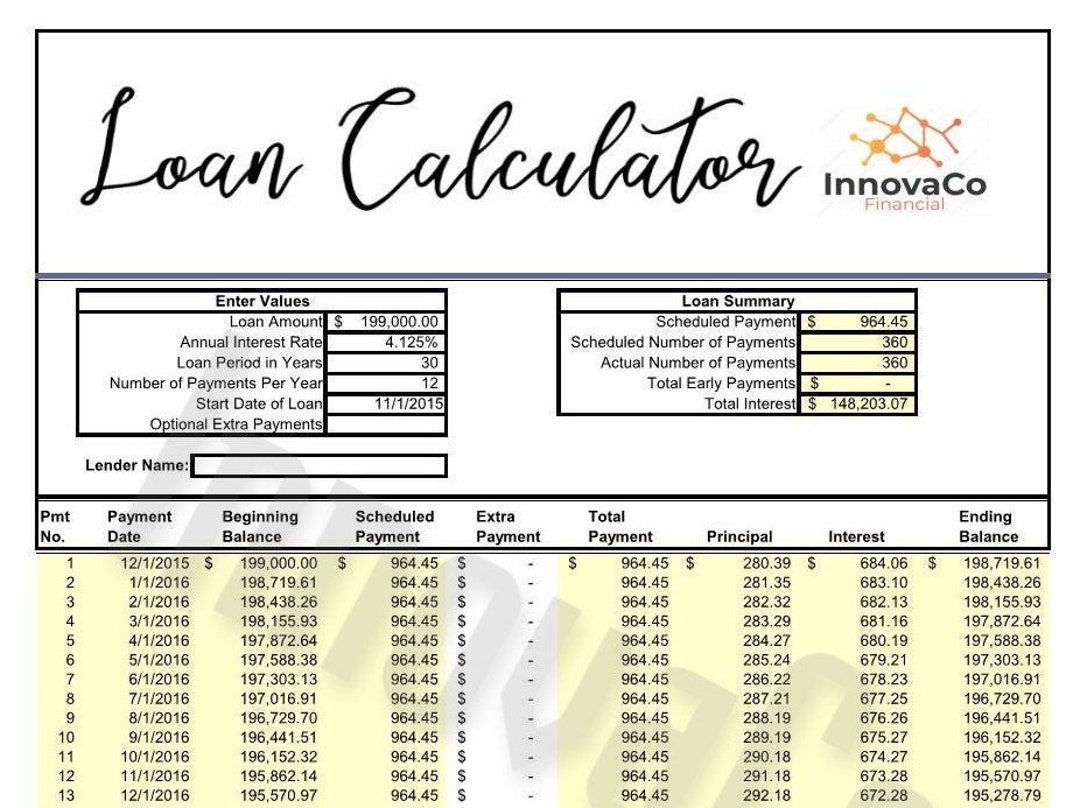
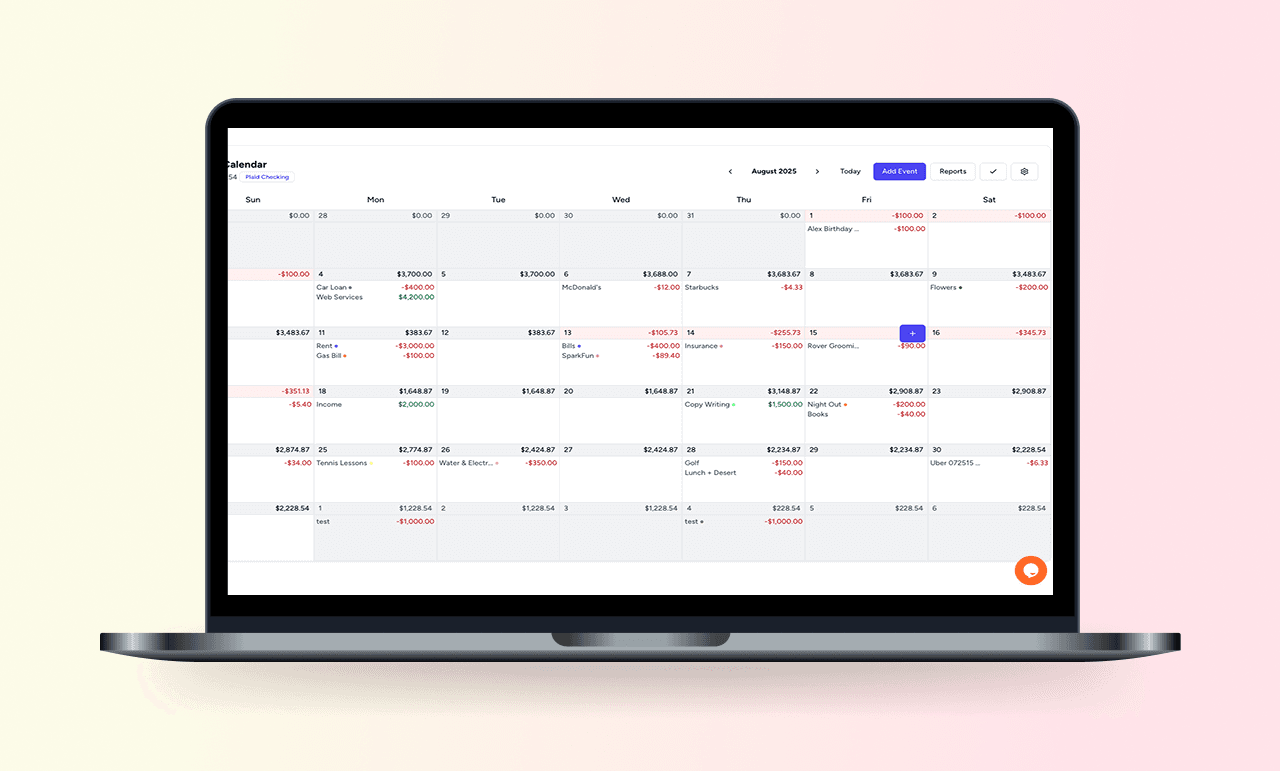
When businesses accept financing, the repayment schedule can be just as important as the funding amount. Although many owners focus on how much capital they receive, the timing and frequency of payments often determine whether financing feels manageable.
Because businesses operate on different revenue cycles, the right payment structure should align with how money flows into the company. Otherwise, even profitable businesses can experience unnecessary cash flow pressure.
Therefore, understanding how to choose a repayment schedule that fits your operations is essential before signing a funding agreement.
Why Payment Timing Matters
Every business experiences a unique cash flow pattern. For example, some companies receive revenue daily from credit card transactions, while others receive large monthly payments from clients.
Because of these differences, repayment timing should match revenue patterns. When payments align with income, businesses can manage financing comfortably.
However, when repayment schedules conflict with cash flow timing, problems may arise. For instance, frequent withdrawals could strain companies that receive income less often.
Common Payment Schedule Types
Business financing typically uses several repayment structures. Each structure fits different types of businesses.
Daily Payments
Some funding options require small daily withdrawals from the business bank account.
Daily payments often work well for businesses that receive frequent deposits, such as:
- Retail stores
- Restaurants
- E-commerce companies
- Service businesses with daily transactions
Because revenue arrives regularly, smaller daily payments may feel easier to manage.
Weekly Payments
Weekly repayment schedules provide a middle ground between daily and monthly payments.
Businesses that benefit from weekly payments often include:
- Contractors
- Service companies
- Businesses with steady weekly deposits
This structure allows businesses to plan payments around their weekly revenue cycles.
Monthly Payments
Monthly payments are common with traditional loans and longer-term financing.
This schedule typically works best for businesses that:
- Invoice clients monthly
- Receive larger payments less frequently
- Operate in B2B industries
Because monthly payments occur less often, they may align better with longer billing cycles.
How to Evaluate Your Cash Flow Cycle
Before choosing a repayment schedule, businesses should evaluate how revenue flows into their accounts.
Important questions include:
- How often does revenue arrive?
- What is the average daily bank balance?
- Are there seasonal fluctuations?
- What fixed expenses must be paid each month?
By answering these questions, businesses can determine which repayment structure best fits their operations.
Calculate the True Payment Impact
Even small payments can add up over time. Therefore, business owners should calculate the full impact of the repayment schedule.
Consider reviewing:
- Total repayment amount
- Payment frequency
- Estimated daily or monthly payment size
- Remaining operating cash after payments
Because this analysis helps identify potential cash flow pressure, it is an important step before accepting financing.
Avoid Overcommitting Cash Flow
Many funding challenges occur when businesses commit too much of their revenue to repayment obligations.
To avoid this problem, companies should leave sufficient cash flow for:
- Payroll
- Inventory purchases
- Marketing expenses
- Unexpected operational costs
Maintaining financial flexibility helps businesses operate smoothly even during slower periods.
How Newport Capital Ventures Helps Structure Payment Plans
Newport Capital Ventures works with businesses to evaluate repayment schedules that align with their revenue patterns.
During the funding evaluation process, businesses may review:
- Deposit frequency
- Revenue stability
- Operational expenses
- Growth plans
By understanding how money moves through the business, repayment schedules can be structured to support financial stability rather than create pressure.
Final Thought
Choosing the right payment schedule is one of the most important decisions when accepting business funding. Although the funding amount may solve immediate financial needs, the repayment structure determines how comfortable the financing will feel over time.
By selecting a repayment schedule that matches the company’s cash flow cycle, businesses can:
- Manage payments more easily
- Protect operational cash flow
- Reduce financial stress
- Maintain stability during growth
Ultimately, the best financing structure is one that fits the rhythm of the business.